How College Park Weather Affects Your Home: Water Damage Restoration Prevention Tips
Published: 2026-04-19 · By TrueFlow Water Damage Services
As a College Park homeowner, have you ever noticed water pooling around your foundation after one of our infamous summer storms? When the hot, humid air meets unexpected downpours, that water can seep into your home, leading to severe moisture damage. With Georgia's red clay soils notorious for shifting, understanding the weather's impact on your property is essential for preventing costly water damage. This awareness can save you from the headaches and hefty bills associated with restoration services, so let’s explore how you can protect your home.
Why This Matters for College Park Homeowners
Every College Park resident has experienced at least one torrential downpour in the summer, often paired with the crackle of lightning. These storm conditions aren't just a nuisance; they can create a perfect storm for water damage in your home. The humid climate exacerbates problems with inadequate drainage, and the shifting red clay foundation can crack or sink, increasing the risk of flooding. Homeowners must be vigilant about the potential for water to infiltrate their spaces, especially during periods of heavy rain.
The implications of water damage are bigger than just structural concerns. Mold can develop within 24-48 hours after a water intrusion, leading not only to potential health issues but also to expensive mold remediation costs that may range between $500 to $6,000, depending on the extent of the damage. This is a nightmare scenario for many families in College Park.
Tip: Implement regular foundation inspections, especially after heavy rainfall or storms. This small investment in monitoring can prevent extensive damage and costly repairs in the future.
Expert Solutions & Actionable Tips
1. Inspect Your Gutters Regularly
Gutters are your home’s first line of defense against water damage. Neglecting them can lead to overflowing water, which seeps into the foundation. Aim to clean your gutters at least twice a year; for a typical two-story home in College Park, this can cost around $100-$250 if done professionally. If your gutters are clogged, water may pool and cause erosion, leading to structural damage.
2. Invest in Proper Drainage Solutions
Given the unique properties of Georgia's red clay, focusing on drainage is crucial. Installing French drains or surface drains around your property can help divert excess water away from your foundation. While this setup can cost about $1,500 to $5,000, it is a worthwhile investment to minimize water damage after storms.
3. Monitor Humidity Levels Indoors
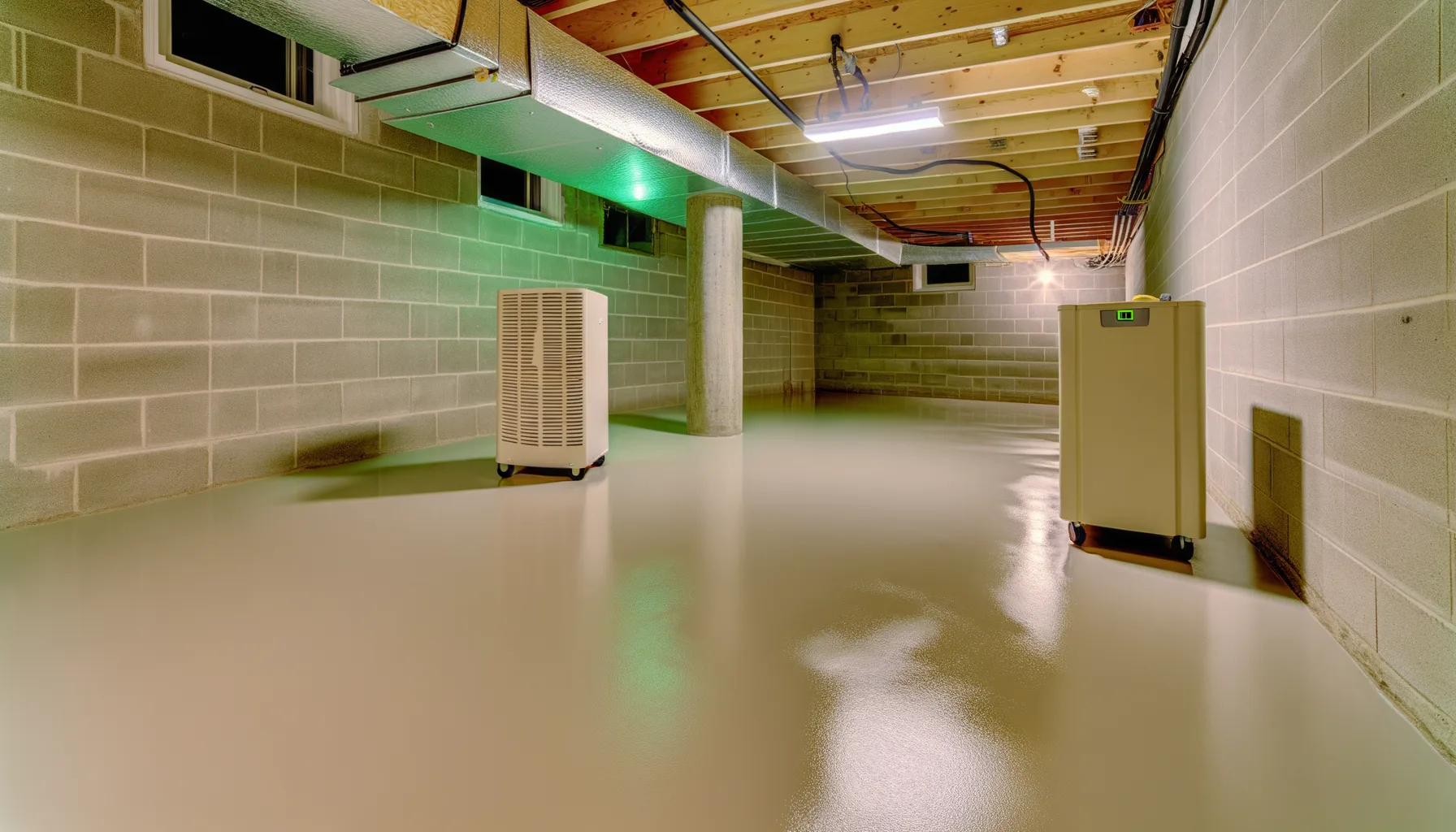
Living in a humid environment means high indoor humidity can lead to water damage as well. Using a dehumidifier during the summer months can help keep levels between 30-50%. Depending on the appliance, you could spend between $150 to $350 for a good quality unit, providing you with peace of mind and improved air quality.
4. Seal Cracks and Gaps Promptly
Cracks in your basement or foundation can allow water to enter your home. A simple sealing procedure costs about $300-$800, which could save you thousands in restoration costs. Regularly inspect your home for cracks, particularly after heavy rainfall, and apply waterproof sealants as needed.
5. Create a Home Emergency Plan
Preparation is key when it comes to water damage. Creating a plan for your family in case of flooding can mitigate risks significantly. This may include identifying safe zones or collecting emergency supplies. While it requires some effort, planning contributes significantly to minimizing potential damages.
6. Regularly Test Sump Pumps
A sump pump plays a crucial role in protecting your home from flooding. Ensure it's working properly, especially before heavy rain seasons. Testing involves filling the sump pit with water to ensure it activates. If you're unsure, hiring a pro for a quick check can range from $50 to $100, a small price for avoiding serious water damage.
College Park Climate & Local Context
College Park's warm, humid summers and shifting clay soils create an environment where water damage is a considerable risk. Every resident knows the drill of summer storms: thick clouds rolling in, punctuated by flashes of lightning and heavy rain. These conditions can lead to water pooling around a home’s foundation, particularly if proper drainage solutions aren't implemented. The local building stock, often older, may require constant maintenance to guard against significant weather-related damages.
Additionally, understanding local codes and permit requirements is essential for any restoration work. Hiring licensed professionals ensures that repairs meet the local standards, preventing future complications. College Park mandates that homeowners apply for permits before making substantial alternations to drainage systems or foundational repairs, highlighting the need for diligence in this process.
When to Call a Professional
Deciding when to tackle water damage repairs yourself versus calling a professional can be challenging. Although some tasks may appear manageable, without the proper skills and tools, a DIY approach can often worsen the situation after a water event. For minor leaks or small patches, you might consider fixing them yourself; however, some clear red flags warrant a professional’s touch.
- Significant flooding exceeding a few inches in your home.
- Visible mold growth or unpleasant odors.
- Water damage affecting electrical components.
- Severe structural damage like buckling floors or walls.
- Unexplained sudden water pooling in or around the home.
- Persistent leaks that won’t resolve with basic repairs.
In all these cases, a qualified restoration company like TrueFlow Water Damage Services can assess the situation and offer a comprehensive restoration strategy.
Frequently Asked Questions
What should I do if I discover water damage in my College Park home?
If you find water damage, prioritize stopping the source of the leak and remove any standing water. Then, contact TrueFlow Water Damage Services for a professional assessment and restoration advice.
How can I recognize mold growth early?
Look for dark spots on walls, ceilings, or around windows. A musty odor is also a telltale sign of mold that may need addressing promptly to avoid health risks.
What are the signs that my drainage system is failing?
Watch for pooling water around the foundation or excessive erosion. Unpleasant odors emanating from drainage sources may indicate blockage, requiring immediate attention.
How long does water damage restoration typically take?
Restoration timelines can vary based on severity but often range from a few days to several weeks. A complete recovery process may take longer depending on the extent of the damage and moisture saturation.
Are there insurance implications for water damage restoration?
It's crucial to check your homeowner's insurance policy, as many cover water damage repairs. Always report damage as soon as possible for better claim outcomes.
Get Expert Water Damage Restoration Service in College Park
Don’t let water damage catch you off guard! As we've discussed, there are several preventive measures to implement and important signs to watch for. If you suspect water damage or need assistance with restoration, contact TrueFlow Water Damage Services today. Our team is ready to help you safeguard your College Park home and ensure peace of mind.
Call (678) 606-2859 now to schedule your consultation. Protect your property, and don’t allow nature’s elements to dictate the safety of your home.
Service Areas
More Articles
Insurance Claims for Water Damage Restoration: A Step-by-Step Guide
2026-04-19
Water Damage RestorationWater Damage Restoration Emergency? Here's What to Do in the First 24 Hours
2026-04-19
Water Damage RestorationMold After Water Damage Restoration: Prevention and Treatment Guide
2026-04-19