Water Damage Restoration Emergency? Here's What to Do in the First 24 Hours
Published: 2026-04-19 · By TrueFlow Water Damage Services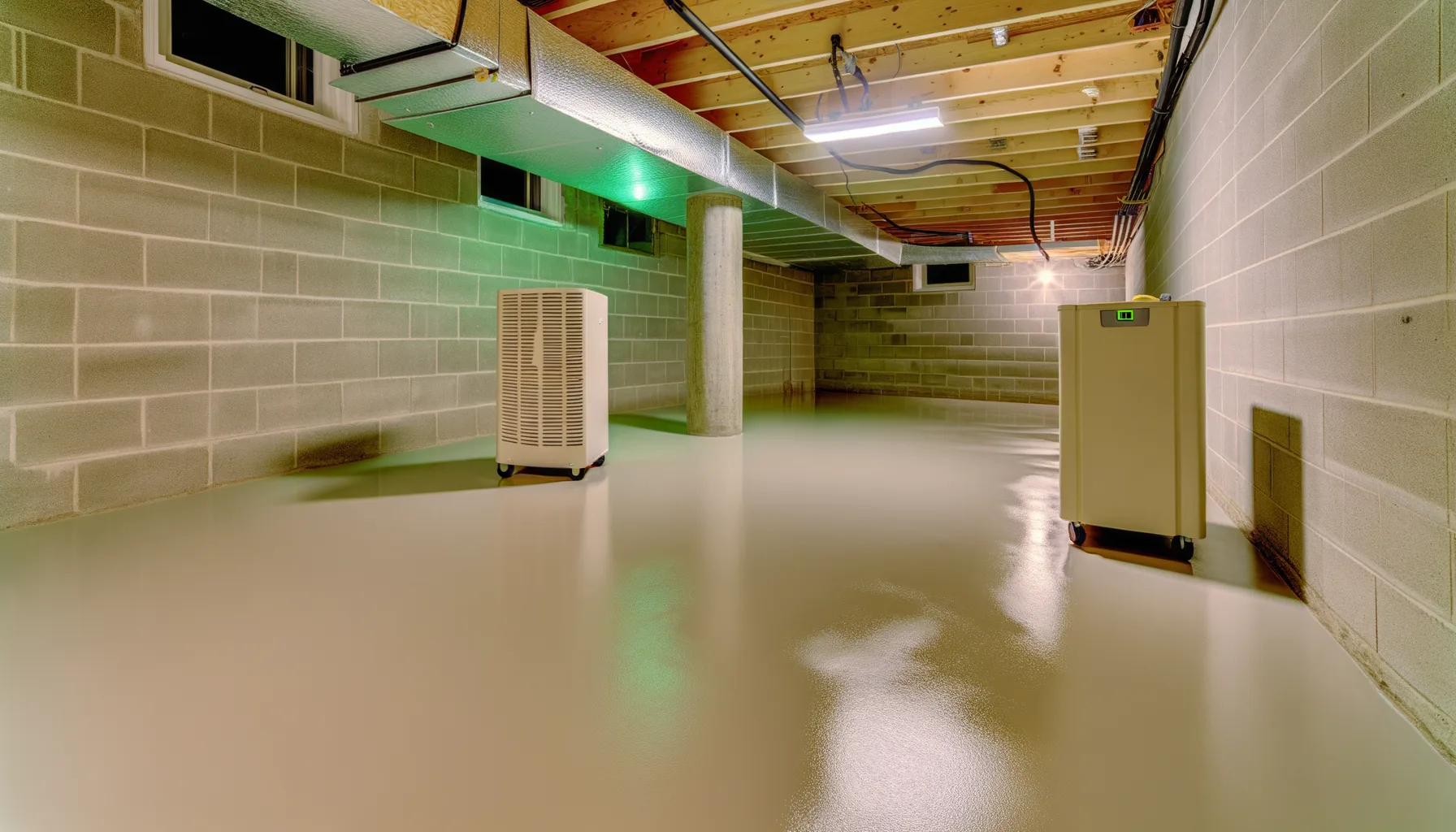
Imagine returning home after a stormy evening in College Park, only to find water seeping from beneath your floorboards or a damp smell lingering in the air. Such scenarios are distressing and can escalate quickly, leading to extensive damage if not addressed within the first 24 hours. With hot, humid summers and sporadic freezing temperatures, water damage in our area often means mold development, compromised structural integrity, and costly repairs. Knowing what to do immediately can make all the difference in preserving your home and peace of mind.
Why This Matters for College Park Homeowners
Water damage can occur suddenly, often triggered by summer storms that sweep through College Park, bringing torrential rain and lightning, or by winter freezes that lead to burst pipes. Homeowners in the area are especially vulnerable due to Georgia’s red clay soils, which shift and can affect home foundations. If proper drainage isn't maintained, it could lead to water pooling around your home, setting the stage for a disaster.
The consequences of water damage aren't just cosmetic; they can lead to weakened structures, electrical hazards, and significant health risks from mold exposure. Beyond the immediate repair costs, which can range from $1,500 to $10,000 depending on severity, the long-term impacts of ignoring these issues could easily double that amount, making prompt action crucial.
Expert Solutions & Actionable Tips
1. Assess the Damage Quickly
The first step in managing water damage involves a thorough assessment of the affected areas. Look for discoloration on walls, soggy carpets, or swollen baseboards. Often, this can be done in about an hour. Take photos for your records and for insurance claims, as this can help expedite any processing needed. Keep in mind that water damage can vary widely, with minor cases costing around $1,500 to remediate.
2. Shut Off Water Supply
It's critical to stop the source of water if possible. This can often involve turning off the main water supply to your home, which can usually be done in about 5-10 minutes. This immediate action can prevent further damage and potential structural issues over time. Ensure you know where your shut-off valve is located before a problem arises.
3. Document Everything
Taking notes and photos of the damage is essential for effective communication with your insurance company. Create a detailed inventory of items that are affected and record any steps you take to mitigate further damage. This could save you anywhere from $500 to $5,000 in damages that might otherwise be overlooked.
4. Start Drying Out Your Home
Begin drying out the affected areas with towels, mops, and fans. Dehumidifiers can significantly reduce dampness, especially in the humid climate of College Park. Depending on airflow, it may take approximately 48-72 hours to completely dry out. The longer you wait, the more likely you will face mold growth, which adds at least an additional $500 to your repair expenses.
5. Check for Mold Growth
After the initial damage is handled, watch for signs of mold, which can develop within 24-48 hours in humid conditions. Professional mold inspection and remediation could cost between $2,000 and $6,000, depending on the severity. Be vigilant and take appropriate action if you spot any signs during your drying process.
6. Contact Your Insurance Agent
Do not delay in contacting your insurance agent to report the damage, ideally within the first 24 hours. Policies often have provisions regarding timely reporting to facilitate claims processing, potentially saving you a significant amount on repairs. Some homeowners may even get a complete coverage overhaul costing $5,000 to $20,000 depending on individual circumstances.
College Park Climate & Local Context
College Park's climate means homeowners face unique challenges related to water damage restoration. With hot, humid summers that create ideal mold environments and winter conditions that might freeze pipes, it's essential to be proactive. Properties built in this region often see foundational shifts due to Georgia's red clay, which can lead to drainage issues. Homeowners should periodically monitor their foundations to prevent water from pooling, effectively reducing any chances of flooding.
Moreover, local building codes dictate the installation and maintenance of proper drainage systems. Familiarize yourself with these codes, as they can impact how you handle water damage; neglecting local regulations may lead to fines or complications during restoration work.
When to Call a Professional
While some minor water damage repairs may appear manageable, knowing when to call in the professionals is crucial. For instance, if water has infiltrated walls, has caused visible structural damage, or if you discover any mold growth, it’s time to contact TrueFlow Water Damage Services. DIY efforts can often lead to overlooked issues that can worsen over time, potentially increasing your repair costs.
- Water damage covers large areas (greater than a few feet).
- Structural integrity is compromised (visible sagging or buckling).
- Water is coming from the ceiling or behind walls.
- Mold growth is suspected or visible.
- Electrical appliances or wiring are in contact with water.
- The affected area is a finished basement or on higher floors.
- Presence of sewage or highly contaminated water.
In these cases, the specialized equipment and expertise that professionals offer are invaluable for effectively restoring your home and maintaining safety standards.
Frequently Asked Questions
How quickly should I contact a water damage restoration service?
It's advisable to contact a restoration service like TrueFlow Water Damage Services as soon as you identify the issue, ideally within 24 hours. The faster you act, the better chances you have of minimizing damage and avoiding costly repairs.
What are common causes of water damage in College Park?
In College Park, common water damage causes include heavy rainfall, plumbing issues, and foundation shifts due to red clay soil. Each of these can contribute significantly to unexpected water infiltration.
Can I clean up minor water damage myself?
Yes, small areas of water damage can sometimes be managed with proper cleaning; however, if it involves a larger area, you should consult a professional to ensure thorough restoration.
What type of insurance covers water damage?
In general, standard homeowners insurance covers sudden and accidental water damage, such as a burst pipe. However, it’s best to review your policy details for specifics.
Is mold always an issue after water damage?
Not necessarily, but mold can develop within 24-48 hours in humid environments like College Park. Quick action on water damage can help prevent mold growth.
Get Expert Water Damage Restoration Service in College Park
Water damage emergencies are stressful, but you're not alone. If you're facing this issue, reach out to TrueFlow Water Damage Services for immediate assistance in College Park. The longer you wait, the more damage could occur. Call (678) 606-2859 today to get started on restoring your home.
Your home deserves the best care. Let TrueFlow Water Damage Services help you navigate through this challenging time with expertise and efficiency.

Service Areas
More Articles
Insurance Claims for Water Damage Restoration: A Step-by-Step Guide
2026-04-19
Water Damage RestorationMold After Water Damage Restoration: Prevention and Treatment Guide
2026-04-19
Water Damage RestorationHow Long Does Professional Water Damage Restoration Take? Timeline Guide
2026-04-19